


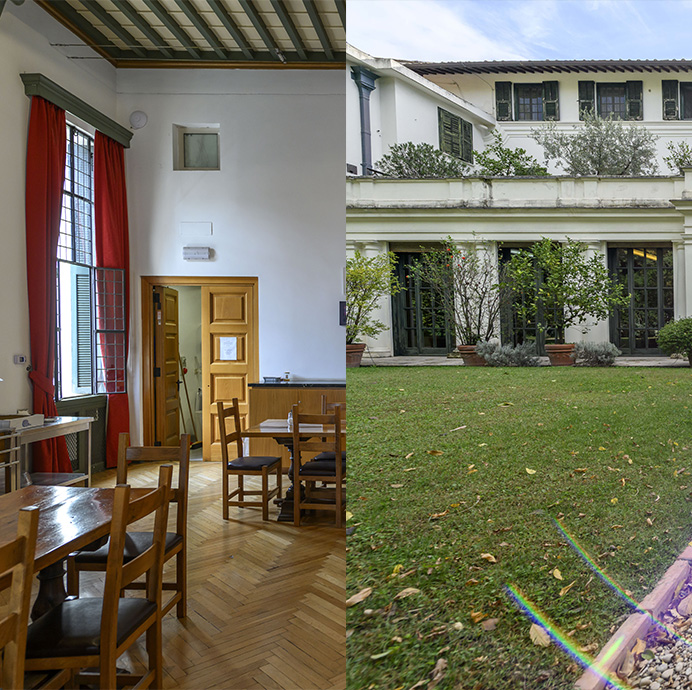




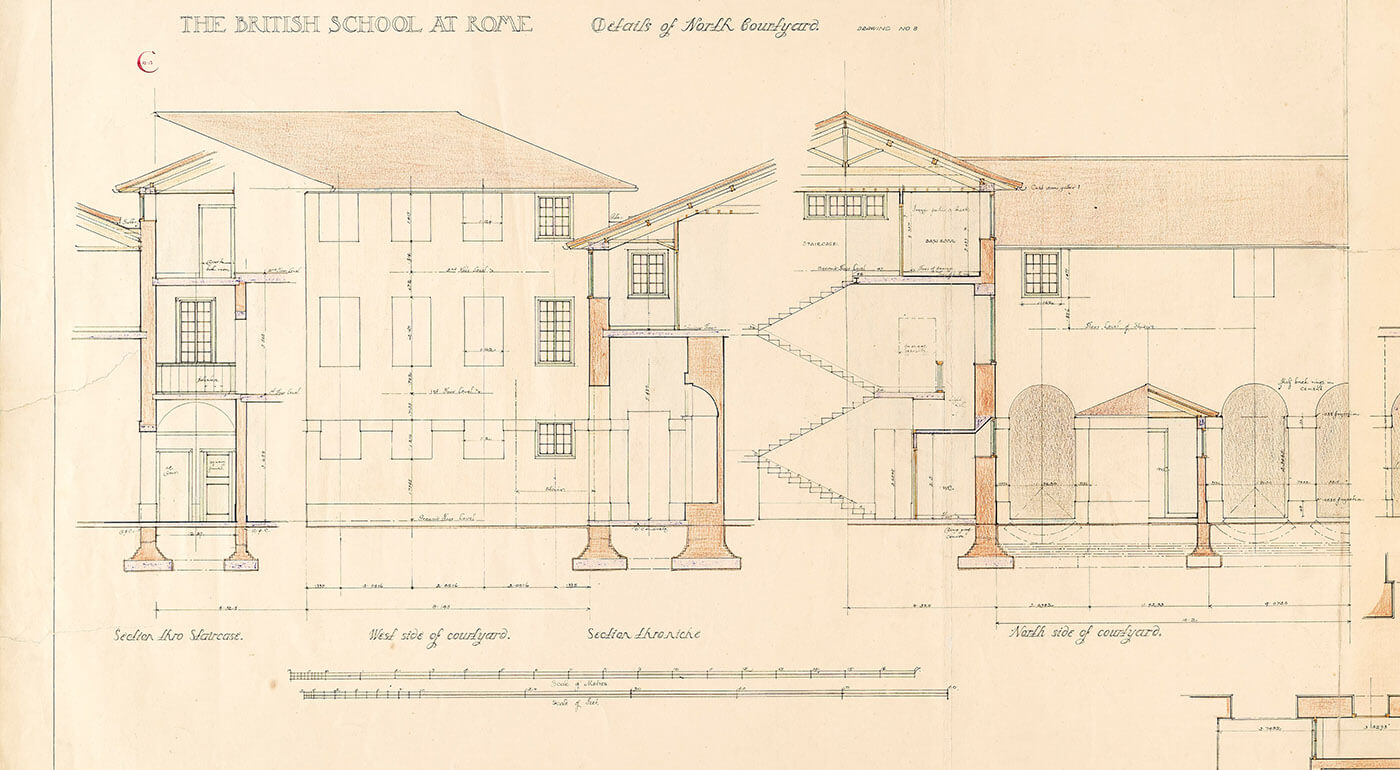
Between 1993 and 2004, the School undertook a ten-year programme to modernize, renovate and extend the facilities of the building. The urgent need for attention to the existing building was set out in a report by Robert Adam, Chairman of the Faculty of Fine Arts, later developed by Hugh Petter, former Rome Scholar in Architecture as a masterplan. The total cost of the works, exceeding £4 million, was met through special government grants and sponsorships, in an appeal campaign led by Lady Egerton, OBE, as Chair of the Appeal Committee (later Development Advisory Group). Façade
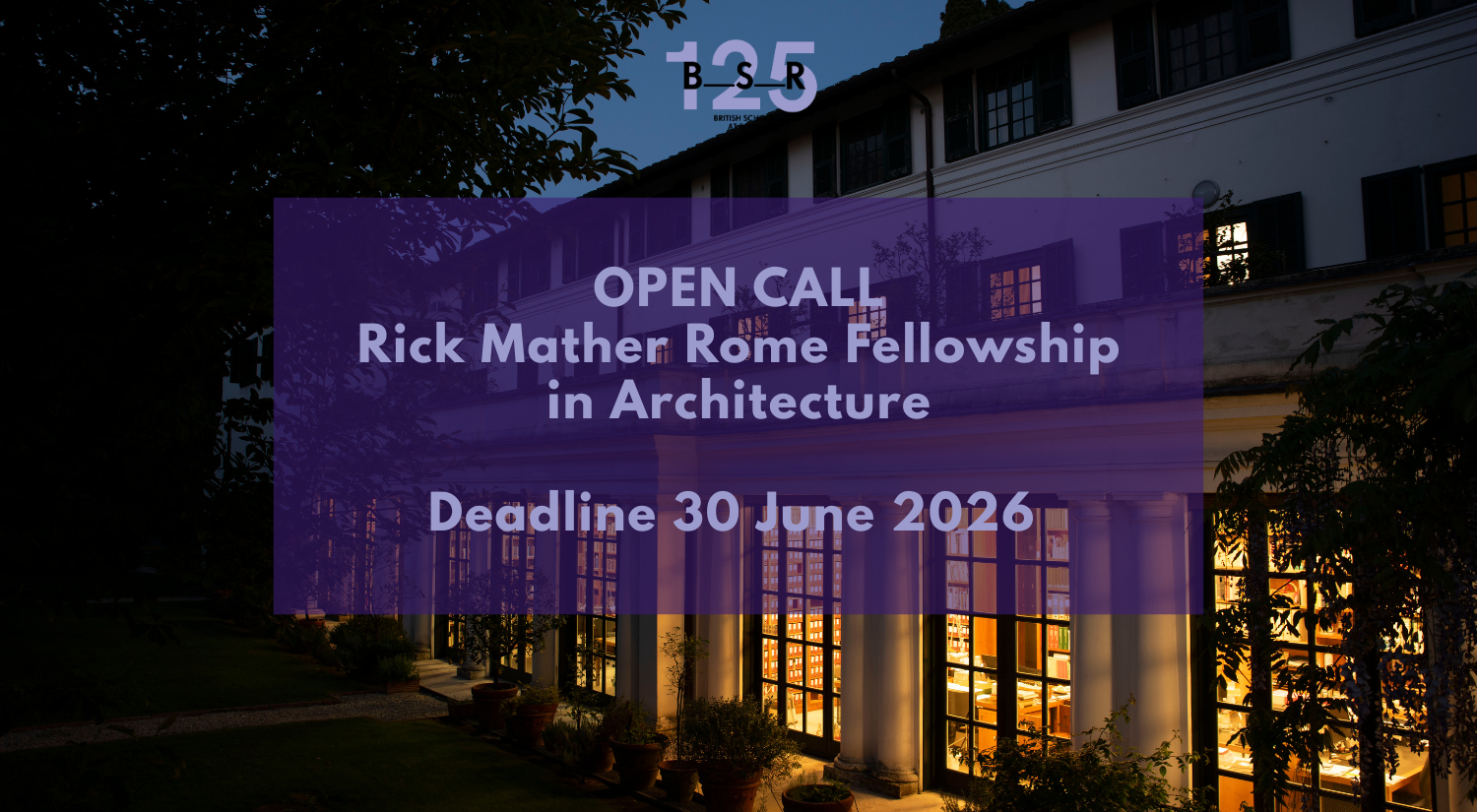
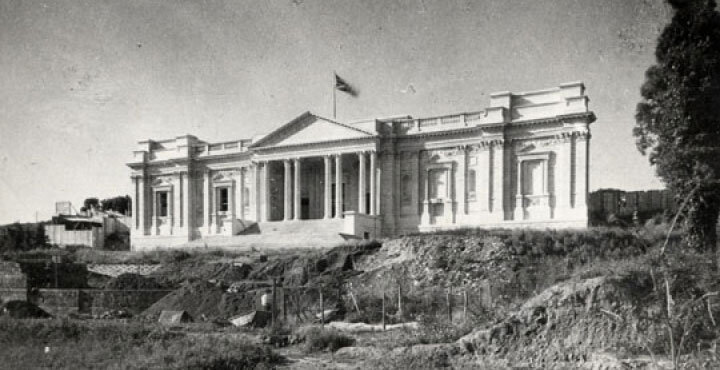
The striking façade based by Edwin Lutyens on Wren's St Paul's, the first part of the building to be completed in 1912, had become discoloured and unstable. In 1993-94, under the Roman architectural practice of Francesco Garofalo and Sharon Yoshie Miura, and supported by a government grant of £237,000, the façade was stripped, stabilized and retreated. The honey-colour of the new treatment restored the original effect of travertine construction to what is in fact a reinforced concrete structure. At the same time with the support of the Baring Foundation the washing facilities of the Abbey Wing were modernized.
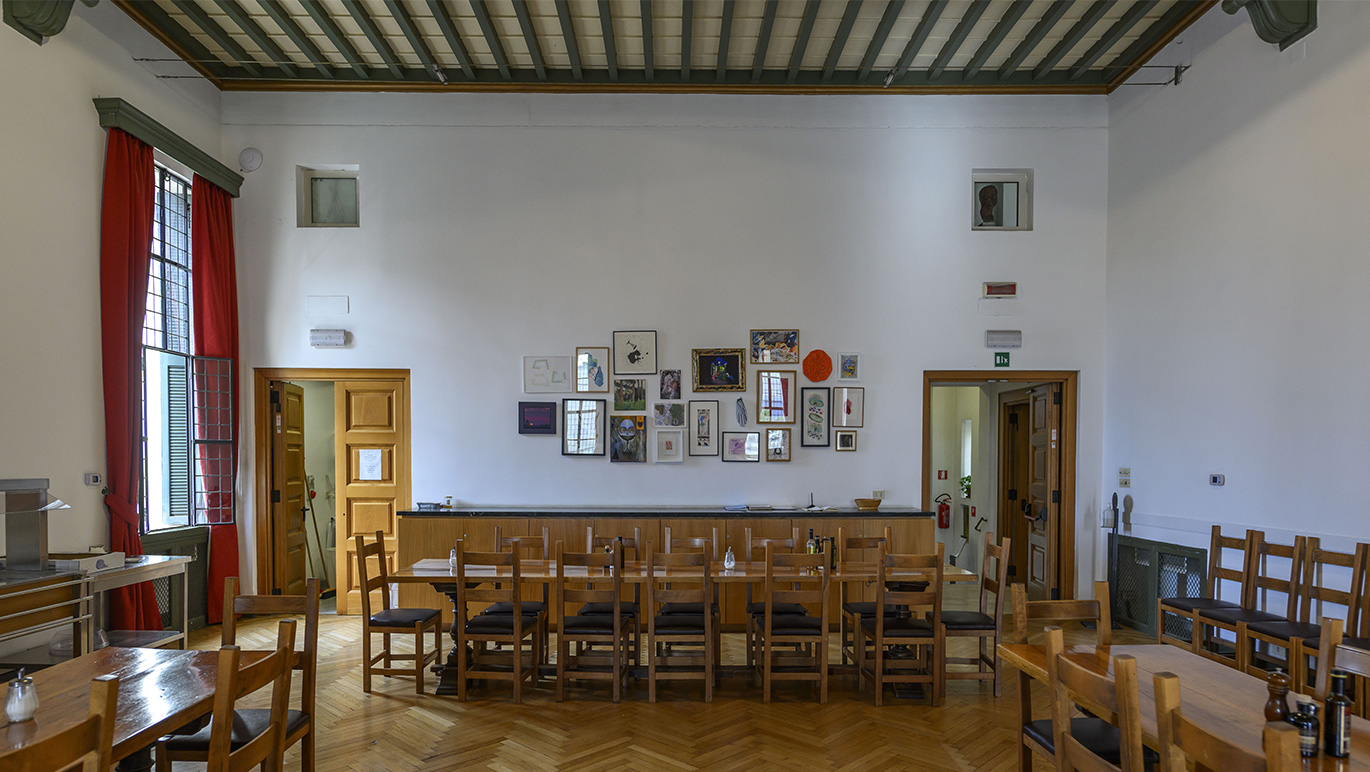
General RenovationBetween 1996 and 1998, there was a sustained programme to modernize all residential areas of the building, made pressing by the requirements of changing Health and Safety legislation. In 1996 the seven artists' studios in the Abbey Wing were restructured to a design by Garofalo-Miura, replacing the unsafe wooden mezzanine sleeping areas with a solid glazed structure, and incorporating washing facilities. In the following two years an extensive programme of rewiring, replumbing, insertion of fire-safety doors, updating of facilities and redecoration brought the rest of the building up to modern standards. This work was supported by a Government grant of £250,000 and by private sponsorship of the same level.
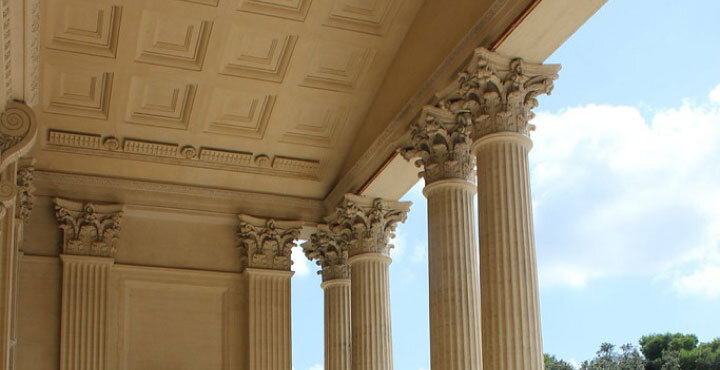
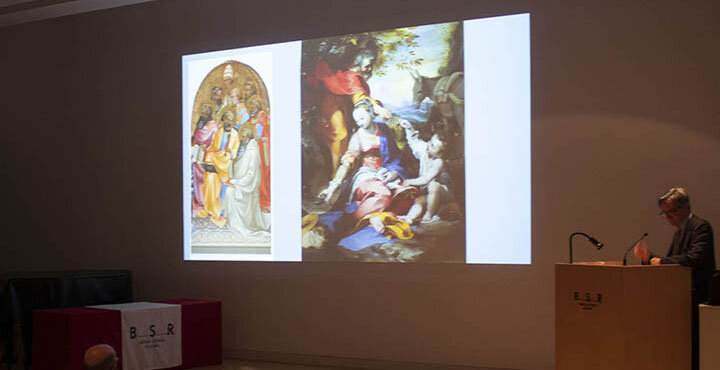
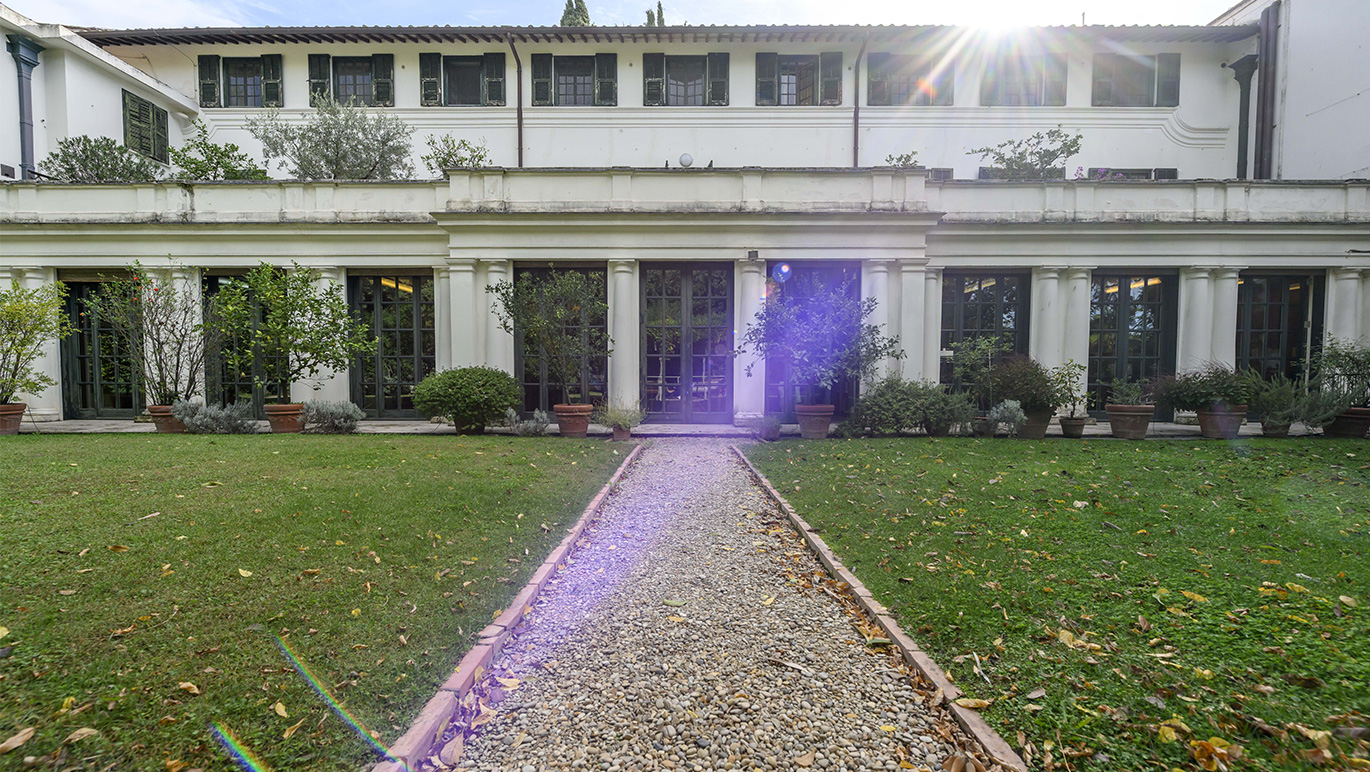
Centenary ProjectsAs the centenary of the School's foundation approached (2001), a major appeal was launched to address the most pressing needs for expansion: the lack of book growth space and reader space in the Library, and the absence of a dedicated lecture room for the increasingly active programme of lectures and exhibitions. Total costs were estimated at a little over £2 million. With the major boost of an initial promise of £500,000 by the Linbury Trust of Lord and Lady Sainsbury of Preston Candover, and of a special grant of £750,000 by the Department for Education under Lady Blackstone, the appeal succeeded in meeting its target, thanks above all to a grant of $1 million (later increased to twice that amount) by the Packard Humanities Institute of California under Dr David Woodley Packard. Numerous other generous donations are listed below. One major obstacle to any new building was the building restriction on a green zone of the city. The ingenious design of Hugh Petter, coupled with the enthusiastic support of friends in the Comune, especially the Superintendent of Culture, Professor Eugenio La Rocca, found a neat way round the restrictions. The Library extension was planned in such a way as to 'complete' the never-realized designs by Lutyens for a loggia with Doric colonnade on the west façade; while the Lecture Theatre was excavated in a forgotten corner of the garden (and thus counted as 'below ground'), though its door opens directly on the street.
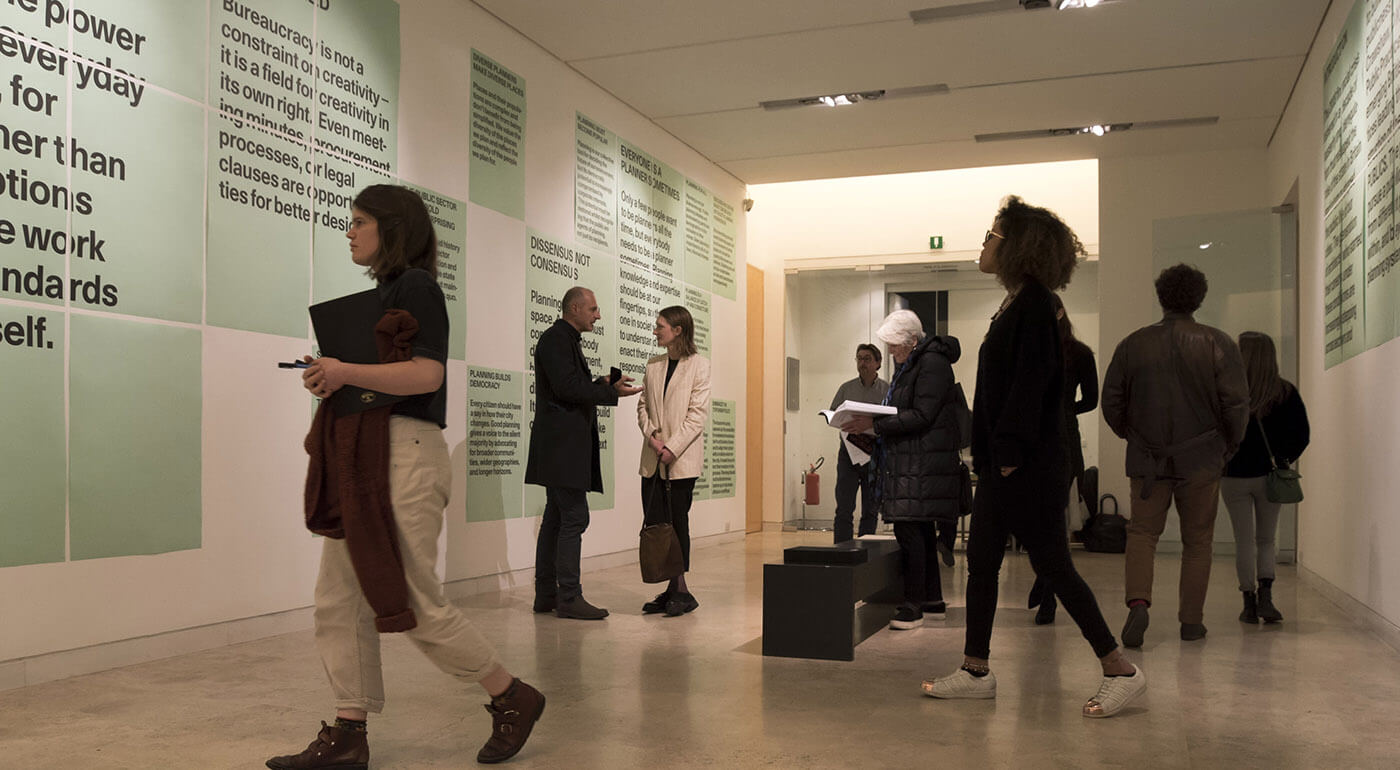
In the course of work, the plans were significantly modified and extended, with the fresh input of architect Jane Thompson as Project Manager. In addressing the problem of access to the new lecture space, the potential was revealed of cutting out a new 'Link Corridor' from the existing kitchen, of inserting a lift to serve all floors and provide access for wheelchairs; and of relocating an outdated tangle of piping and services to release space for an extensive new Gallery area beneath the front steps. The result of these modifications was to create an integrated complex of spaces, comprising theatre, foyer, link corridor and gallery, with easy access for the public at two points at street level.
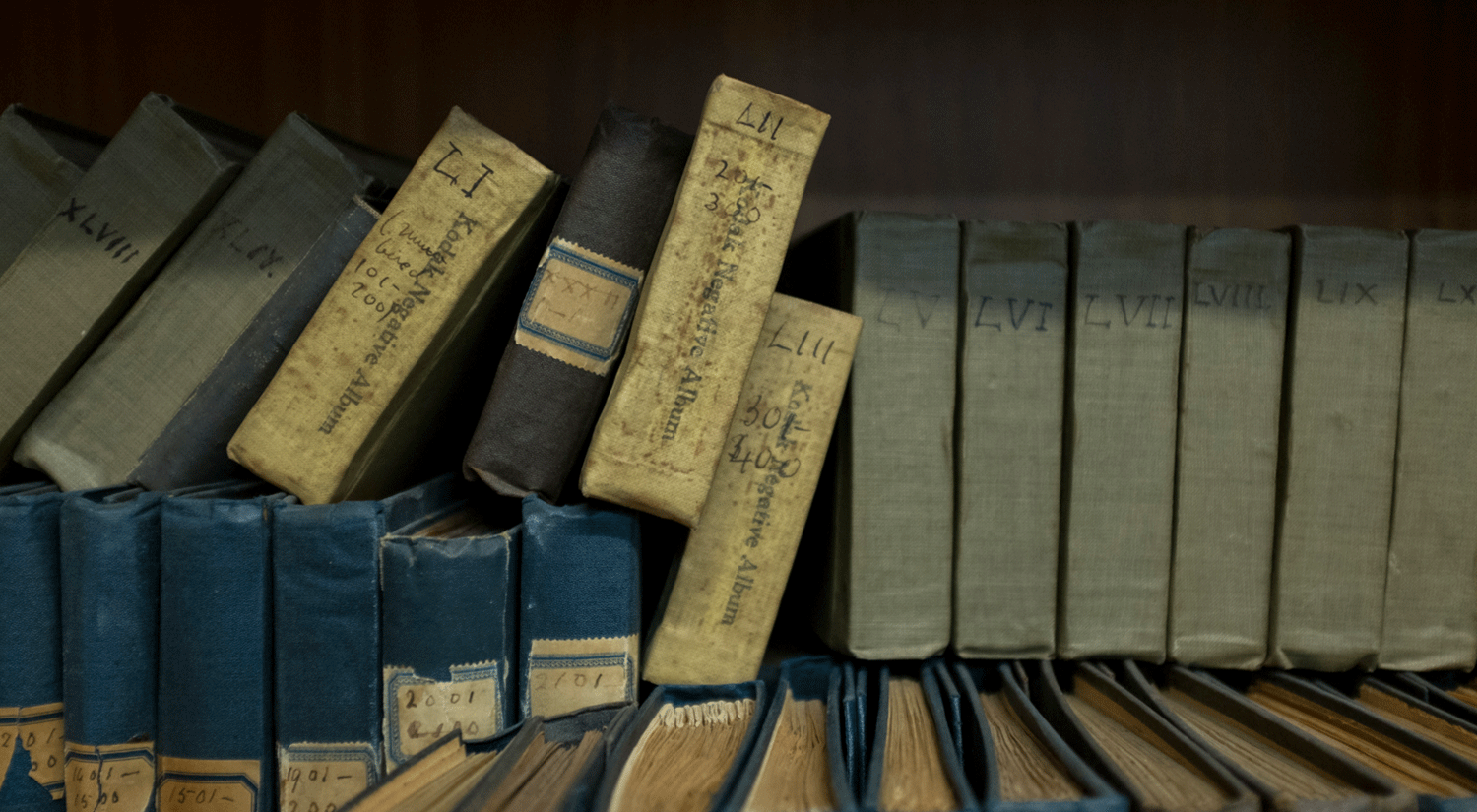
At the same time, the project for extending the Library increased in scope. The new loggia on the west wing of the Library provided badly needed additional space for readers, but little space for the rapidly growing volume of books. Thanks to the generosity of the Packard Humanities Institute, it was possible to add a full underground level beneath the new loggia; the rolling stacks provide space for books, while a range of units allowed the transfer of the valuable photographic archive to climate-controlled conditions. During work it became evident that it was urgent to modernize of the Main Reading Room, the space originally designed by Lutyens for the Library, in order to comply with health and safety regulations. The opportunity was taken to insert a new steel bookshelf round the edge of the old balcony: a glass cladding was chosen to keep the effect of this new insertion as light as possible.
Works started in September 2000, with a formal launch by HM the Queen on 17 October. The Sainsbury Lecture Theatre was formally opened by a series of inauguration events in October 2002, attended by the President, HRH Princess Alexandra, and Lord and Lady Sainsbury. The new Gallery was formally launched by an exhibition of work by resident artists in December 2003. The new Packard Library Wing was completed by October 2002, and the Main Reading Room by February 2004. The Library reopened to the public on 1 March 2004, after three and a half years' closure. The Centenary Projects as a whole transformed the aspect and potential of the building. While respecting the spirit and detail of the original Lutyens design, thanks in particular to the advice of Hugh Petter and the Robert Adams Partnership, the new spaces have the clean, contemporary feel aimed at by the Garofalo-Miura partnership. The building is now equipped with up-to-date and technologically sophisticated facilities. Above all, it has acquired adequate space for an ambitious programme of public activities, including exhibitions, conferences and lectures, and the enhancement of a major research library open to all scholars in Rome. The public activities can proceed in the front of the building without interruption to the peace of the residents in the back. The skill of the building firm, Branchini and Mancinelli, ensured a high standard of execution. |