




search | contact | Links
history | new building | location | accommodation | council | subcommittees | staff | subscribers | appeal
bsr scholars | events diary | architecture | conferences | exhibitions | uk events | notes from rome
introduction | library | archive |
Geophysical Survey | Herculaneum | Pompeii | Roman Ports Project | Tiber Valley Project | staff
programme | research projects | awards | scholars | taught courses | trips
programme | awards | scholars
introduction | exhibitions | staff
papers of the BSR | abstracts | recent publications | publications in print | how to order

UK Events

small logo

Previous Events in UK


THE BRITISH SCHOOL AT ROME

Subscribers and Friends are warmly invited to

Roman Contrasts: Outcomes from the BSR, 2008–9


Senators and soldiers, barbarians and bureaucrats
 Caillan Davenport, Rome Awardee
Music and morals: the sacred cantata in seventeenth-century Rome
Dr Carrie Churnside, Rome Fellow
Photoworks Fellowship
 David Spero, Inaugural Photoworks Fellow
Era: a sculptural response to Italian colonie of the 1930s
Cath Keay, Arts Council England Helen Chadwick Fellow

on Monday 16 November 2009, at 6.00 p.m.


at the British Academy, 10 Carlton House Terrace,
London, SW1Y 5AH

RSVP in case of acceptance to:
The British School at Rome, at The British Academy, 10 Carlton House Terrace, London, SW1Y 5AH;
Tel. 020–7969 5202; E bsr@britac.ac.uk


Senators and soldiers, barbarians and bureaucrats
Caillan Davenport
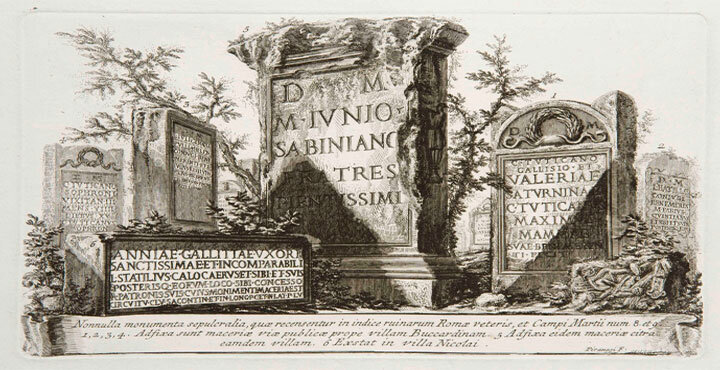
In the third century ad the Roman empire underwent two important transformations: the senatorial aristocracy was excluded from army commands, and the city of Rome, while remaining the ideological heart of the empire, ceased to be the primary centre of administration. This presentation will explore how these developments affected the relationship between the military and political élites and the city of Rome.

Music and morals: the sacred cantata in seventeenth-century Rome
Dr Carrie Churnside
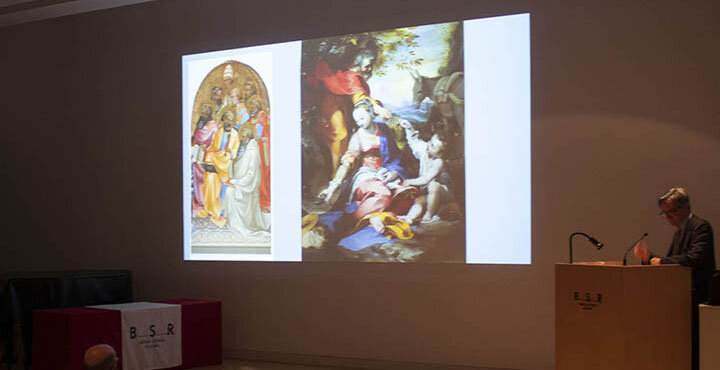
Modern Christian pop music uses the success of the musical genre to attract the listener and inspire devotion. In exactly the same way, in seventeenth-century Rome the sacred cantata provided spiritual chamber music to those who wanted to spend their leisure hours contemplating higher things, or to religious organizations who wanted to ensure that the layman did. My research examines the performance circumstances of these works, and explores the intriguingly thin line between the sacred and the secular.

Photoworks Fellowship
David Spero
David will give an overview of projects carried out during his three months’ Photoworks Fellowship, which included documenting wall paintings, and work on constructions and photographs. He will also show work from a photographic archive project carried out in collaboration with the American Academy.

Era: a sculptural response to Italian colonie of the 1930s
Cath Keay
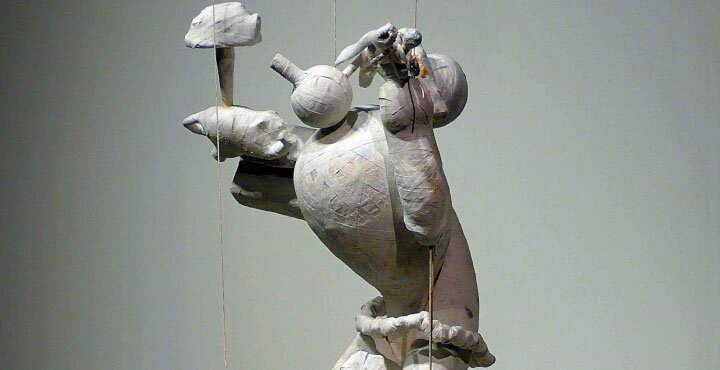
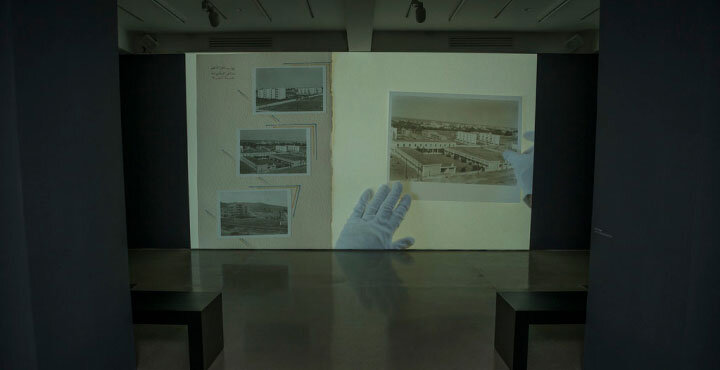
The buildings of Italy’s colonie estive (children’s summer camps) of the 1930s were vivid expressions of utopian thought that subsequently hardened into dogma. By visiting examples in Cattolica, Calambrone and Lazio, and garnering recollections from people who stayed there, I responded to their continuing legacy using sculptural and ‘found’ materials such as wax, fire, pasta and a colony of ants.

top of page Site Map | Privacy Policy | Site Credits | © 2007 The British School at Rome