



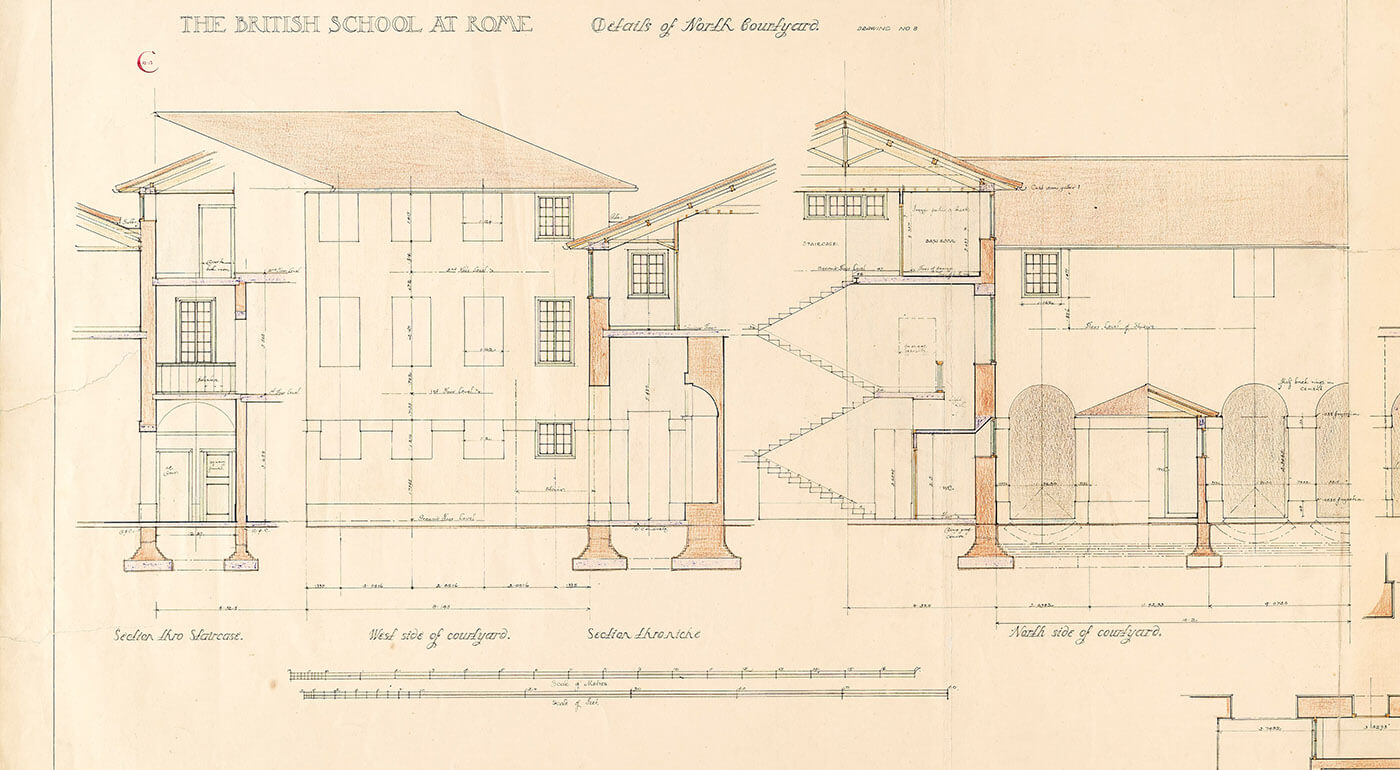
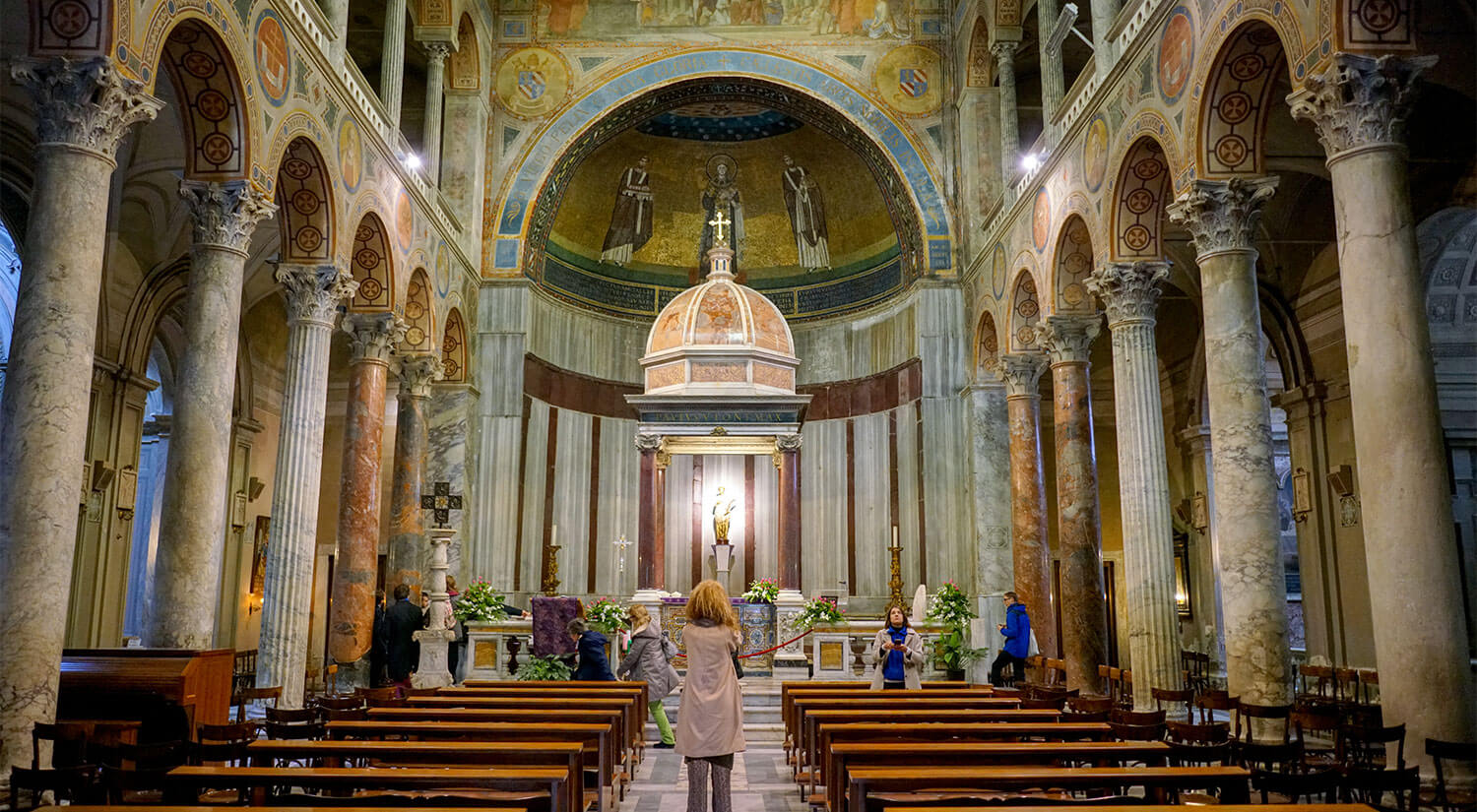
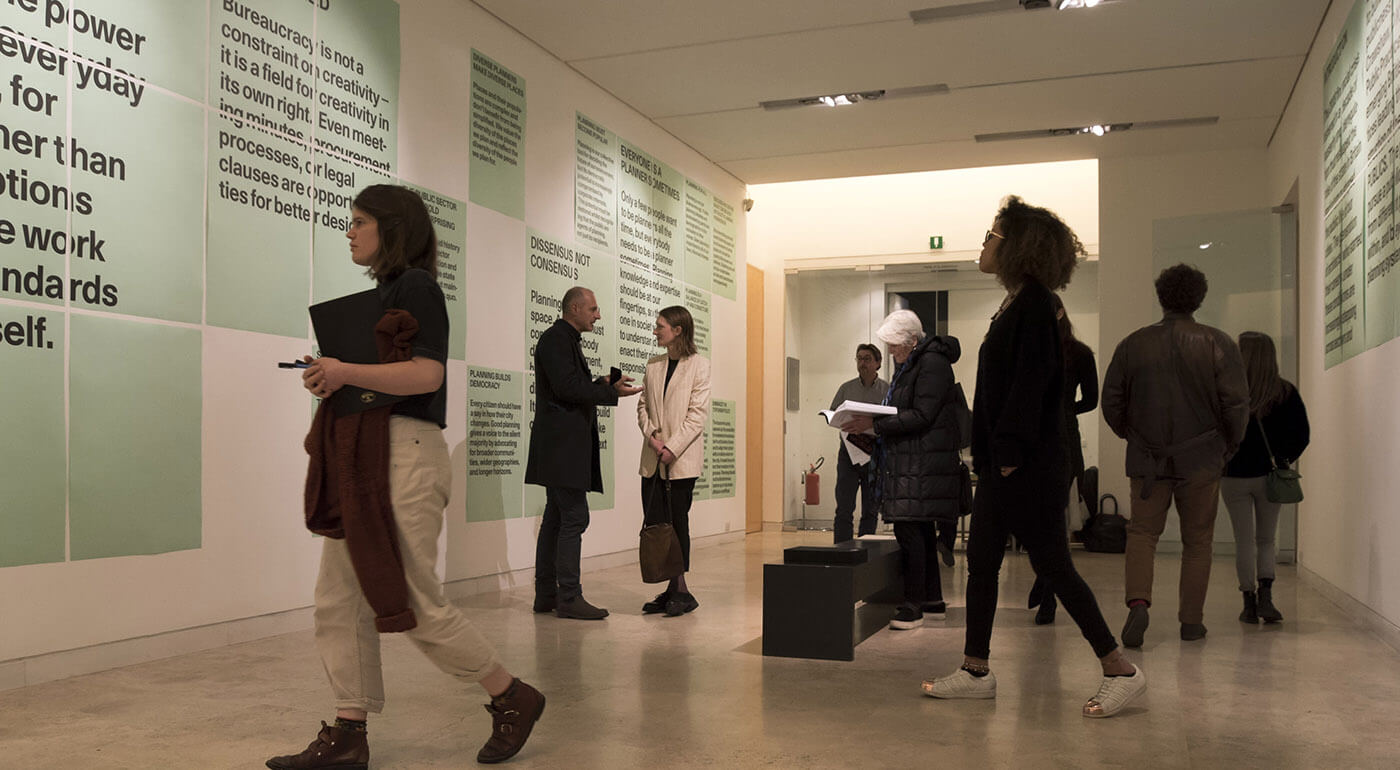
All of these activities clearly show the key role that the School plays in promoting and developing major archaeological projects. They bring together the work of several British, Italian and other European institutions, and enable a level of activity and research which would simply not be possible for an individual research group or UK-based institution. A vital function of the School is to facilitate contact between British, Commonwealth, and Italian academic communities and to serve as a centre for research and debate. |
Introduction |
|
Archaeology forms a major part of the School’s activities, and over the years it has supported and undertaken many projects throughout Italy. A catalyst for research at the school was the South Etruria Survey, a ground-breaking study in the development of landscape archaeology undertaken by the then director of the school, John Ward-Perkins. Subsequent directors have since undertaken major research projects throughout Italy and the current work of the BSR continues to be at the forefront of archaeological research in Italy. |
|
|
We currently undertake the following research and activities: |
|
|
Following on from the success of the Tiber Valley Project, the new flagship project of the British School at Rome is the Roman Ports Project, directed by Professor Simon Keay. This aims to better understand the development of Portus, the port of imperial Rome, by means of a programme of excavation and survey, as well as its relationships to other ports in the western Mediterranean. It involves extensive collaboration with Universities in the UK (Southampton, Cambridge, Oxford, Warwick and Bath), Italy (Rome La Sapienza), Spain (Universidad de Sevilla and the Institut Catala d’Arqueologia Classica), France (Universite d’Aix-en-Provence) and Malta (Valletta). There are two main focuses to this. |
|
This is led by the Director of Archaeology at the School, Professor Simon Keay, together with Graeme Earl (University of Southampton), Martin Millett (University of Cambridge) and Lidia Paroli (Soprintendenza di Beni Archeologici di Ostia), the project aims to answer major research questions about Portus, the port of imperial Rome. There is also collaboration with the Universities of Warwick (Alan Chalmers) and Bath (Mark Wilson-Jones). It is a continuation of a successful research collaboration between the School and the University of Southampton, the University of Cambridge and the Soprintendenza di Beni Archeologici di Ostia. It is funded by the Arts and Humanities Research Council of the UK together with support in kind from the Soprintendenza di Beni Archeologici di Ostia. |
|
![]() |
|
The Portus Project includes multiple seasons of survey (Millett), as well as the excavation (Keay and Earl) of a central area within the port itself, of which the first season of excavations were carried out in September 2007, in order to provide answers to a number of key questions about Portus' character and development, its regional context and relationship to Ostia, Rome and Puteoli. The excavation applied an integrated suite of techniques not generally used on complex Mediterranean sites with major structural remains, including digital recording and visualization. |
|
2. Roman Ports in the Western Mediterranean This second focus, also directed by Professor Simon Keay, together with Graeme Earl, looks at the relationship of Portus to ports across the Mediterranean, primarily in the west. In the first instance it is using new computer-based techniques to better understand how we can characterize connections between ports. Secondly, it is using these to look at the co-presence of ceramics and marble at a range of key port site as a means of gauging fluctuating trans-Mediterranean connections during the Roman period. One key focus will be the major trade route between Hispalis (Seville) and Gades (Cadiz) in Baetica and Portus and Rome; others will be between Tarraco (Tarragona), Massallia (Marseilles) and key north African ports and Portus. It is being funded from a range of different sources.
|
|
| Herculaneum | |
The Herculaneum Conservation Project is a project of the Packard Humanities Institute in collaboration with the Soprintendenza Archeologica di Pompei and the British School at Rome. The ancient Roman city of Herculaneum, which along with Pompeii, was destroyed and buried by the volcanic eruption of Vesuvius in AD 79 and has a history of excavation dating back to the early eighteenth century. |
|
![]() |
|
The project arose from a recognition of the risks to the survival of the unique and irreplaceable heritage to be found in Herculaneum. Its aim is both to support the Italian heritage agency in the protection and preservation of the site, and to extend scientific understanding and public interest and awareness. The most immediate task is to halt the widespread decay afflicting the entire site. The longer-term aim is to develop a conservation strategy which will ensure its survival, understanding and appreciation. The project aspires to learn lessons that will not only feed into the management of the site of Herculaneum, but that can enrich conservation working practices in Pompeii and elsewhere. |
|
| Archaeological Survey | |
Geophysical prospection has played a constant role in our projects in recent years, with many successful surveys being completed. The ever increasing number of requests for geophysical consultation has lead to the creation of a fruitful collaboration between the School and Archaeological Prospection Services of Southampton of the University of Southampton. More information about these projects and details of the services the School provides can be found on the following pages. |